
Nexus Digital ID and Nexus City ID cover image
Identity Layer

Two identity products. One unified smart ecosystem.

Nexus uses two separate human readable identity products. Nexus Digital ID uses the ~ structure for end users, residents, and member identity. Nexus City ID uses the + structure for cities, communities, infrastructure, and management systems. Together, they form a readable digital identity layer for both people and places.

Two Product Versions

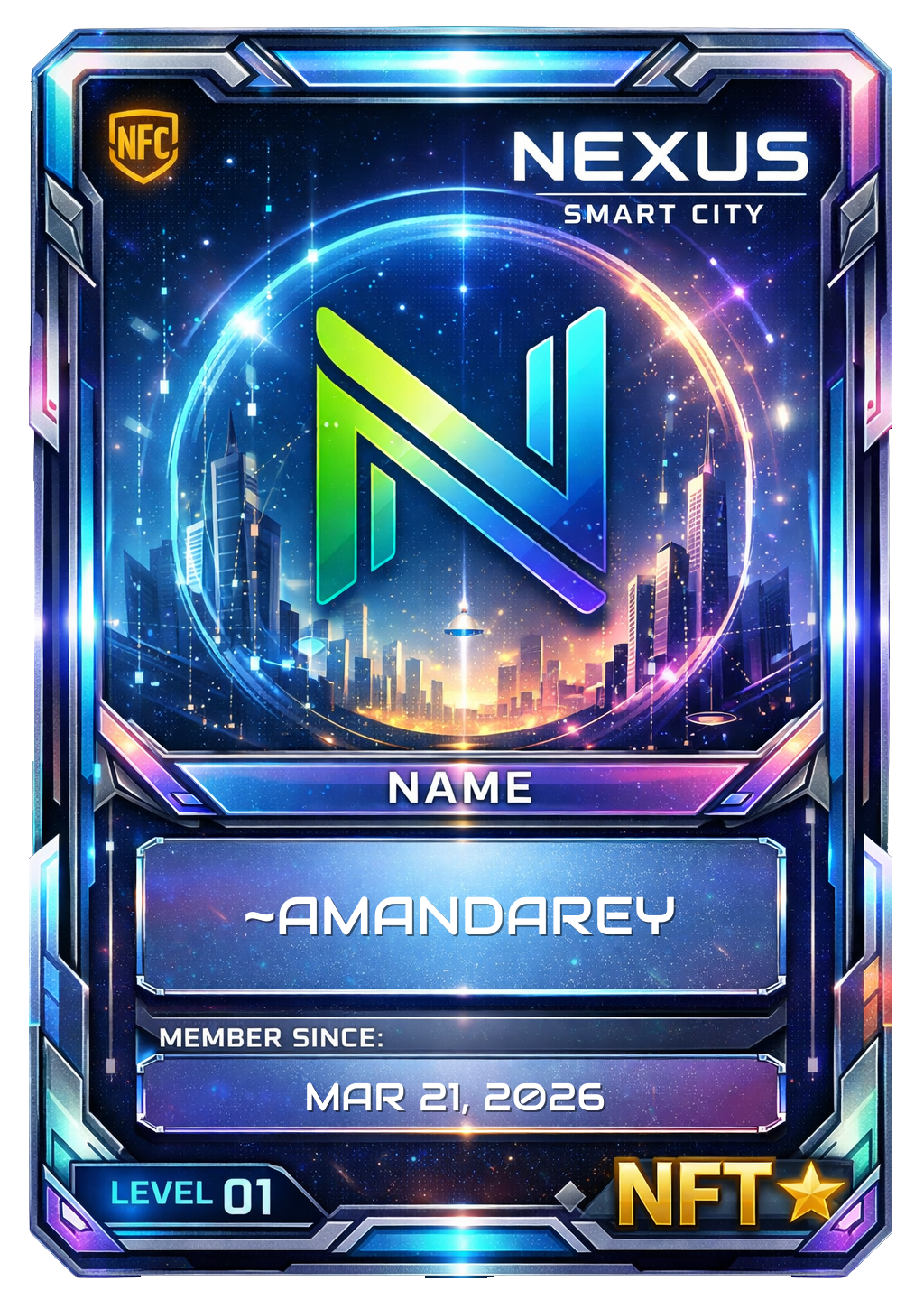
Each product includes its own NFT image. That image is stored on the IPFS network, and its CID becomes attached to the data used throughout the Nexus ecosystem.

Nexus Digital ID NFT image

NFT product image stored on IPFS. The CID is linked to identity data and associated records used across the Nexus ecosystem.

~
End User Product

Nexus Digital ID

For residents, members, and end users

~MyName

Nexus Digital ID is the individual identity product within the Nexus ecosystem. It gives each person a human readable name that can be used to store, share, resolve, and monetize digital data across profiles, resumes, media, files, and connected services.
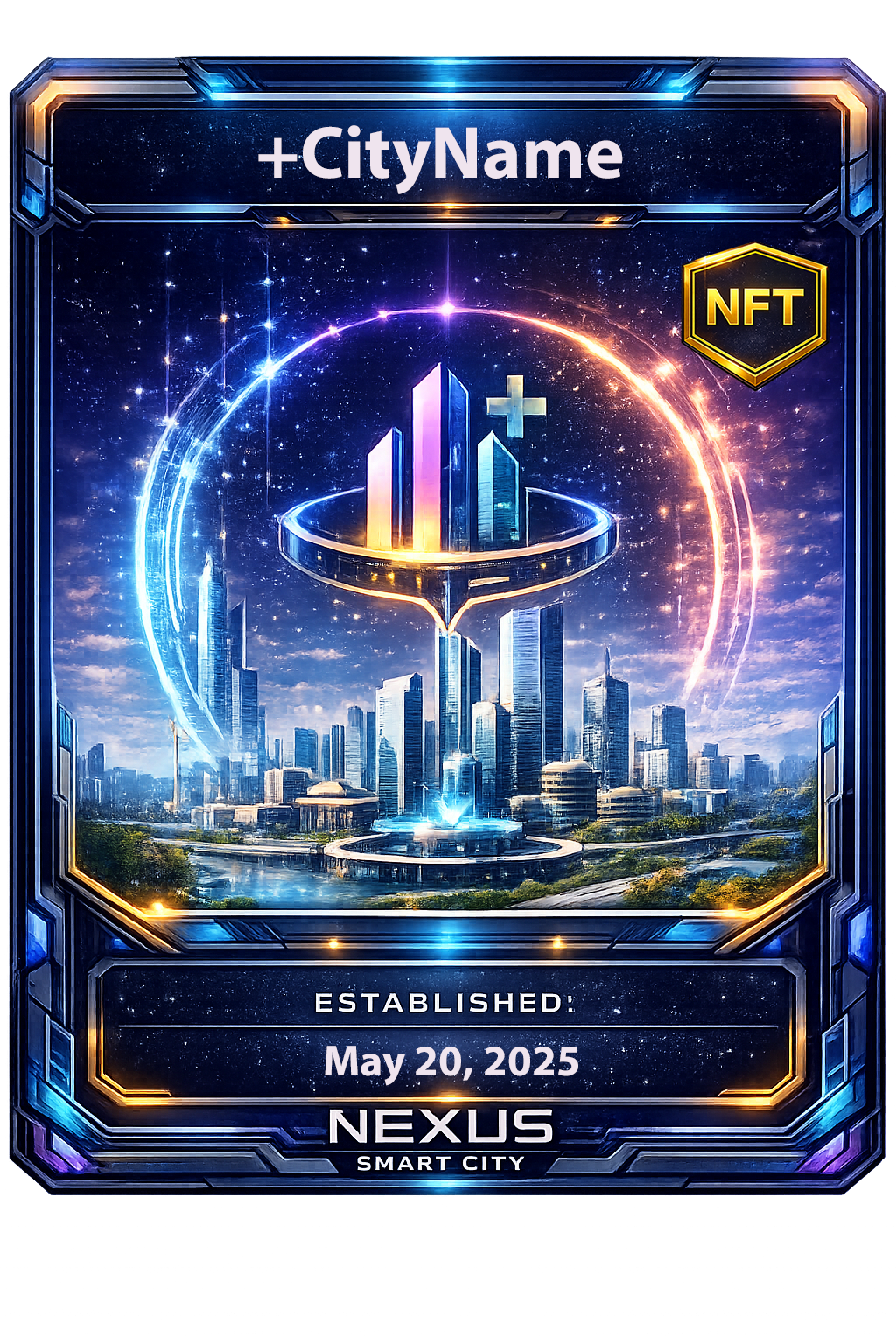
Nexus City ID NFT image

NFT product image stored on IPFS. The CID is linked to identity data and associated records used across the Nexus ecosystem.

+
Infrastructure Product

Nexus City ID

For cities, communities, infrastructure, and management systems

+CityName

Nexus City ID is the infrastructure identity product within the Nexus ecosystem. It is built for cities, communities, districts, and managed environments that need a branded, human readable identity for services, dashboards, records, governance, and smart city operations.

NFT Ownership for Every Name

Each Nexus name is paired with a unique NFT record that represents ownership, identity, and long-term control across the ecosystem.

Every Nexus Digital ID and Nexus City ID generates a corresponding NFT at the time the name is created. This NFT serves as the ownership layer for that name and gives the holder 100% ownership of the identity for life. The NFT is designed to function as a permanent digital asset within the Nexus ecosystem, while also supporting broader Web3 use cases and connections to metaverse-based objects, records, and experiences.

What the NFT Represents

Ownership
  • A unique NFT is created for each Nexus name generated
  • The NFT represents the ownership of that identity
  • Ownership is intended to be 100% controlled by the holder
  • The asset is designed as a lifetime digital ownership record

What It Can Connect To

Web3 + Metaverse
  • Web3 digital assets and identity-linked records
  • IPFS-based files, images, and content references
  • Metaverse objects, places, products, and services
  • Future ecosystem services tied to the owner’s name and NFT

A permanent digital ownership layer

This means a Nexus name is not just a readable address. It is also a lifetime NFT-backed ownership asset that can anchor identity, digital property, Web3 resources, and metaverse-connected objects throughout the Nexus ecosystem.

Platform Overview

Nexus identity turns readable names into active data paths for search, sharing, discovery, and system coordination.

Human Readable Identity

Nexus IDs replace hard-to-remember technical references with simple, readable naming structures for both individuals and cities.

Structured Data Paths

Each identity can branch into functions and categories for profiles, files, services, media, resumes, and system records.

Search and Extension Ready

The system is designed to work with a dedicated search engine and Chrome extension that can resolve and display data from structured names.

Dual Product Ecosystem

Nexus Digital ID serves people, while Nexus City ID serves places, communities, and infrastructure operations.

Structured Name Examples

The ID model starts with a readable root and expands into categories for social identity, files, services, records, and infrastructure data.

Nexus Digital ID Root

Digital ID
~MyName

A human readable root identity for an individual user.

Profile Image Path

Digital ID
~FreddyWildo.social.profile.image

A readable data path for returning a profile image or image reference.

Resume Path

Digital ID
~FreddyWildo.social.resume

A structured path for a resume, profile summary, or professional identity record.

IPFS Path

Digital ID
~FreddyWildo.ipfs.foldername.nickname

A readable identity path that can resolve to a CID on the IPFS network.

Nexus City ID Root

City ID
+CityName

A human readable root identity for a city, district, or community.

Service Path Example

City ID
+CityName.services.transit

An example service path for city systems, infrastructure, or public-facing data.

How It Works

The system is simple to read on the front end while still supporting structured resolution behind the scenes.

Claim the ID

A person or city owner receives a readable Nexus identity name based on the product they are using.

Assign Categories

Data is organized into paths such as social, resume, files, services, records, infrastructure, or governance.

Resolve the Data

The search engine or browser extension interprets the name structure and loads the correct data source or display layer.

Share and Monetize

Readable digital identity makes it easier to distribute data, expose services, and build monetization around digital assets and systems.

Why This Matters

Nexus Digital ID and Nexus City ID create a shared identity framework for the broader smart ecosystem.

  • Readable naming structure for both people and places
  • Organized data paths for profiles, files, resumes, media, services, and records
  • Supports individual digital identity and city-level digital infrastructure
  • Designed for search engine lookup and Chrome extension resolution
  • Creates a foundation for digital twins, governance, and connected ecosystems
  • Helps enable data sharing, discoverability, and monetization

Search engine and Chrome extension enabled

Nexus identity is designed to work with a dedicated search engine and browser extension that can interpret a readable name, resolve the correct source, and display the right information. This allows a Nexus ID to function as more than a label. It becomes an active identity and lookup layer across the ecosystem.